Introduction
Tracheostomy care and ventilator administration are essential parts in the realm of health care, especially for clients with respiratory system failure or various other problems demanding respiratory tract support. As healthcare specialists, understanding these abilities is not simply an option however a requirement. This article dives deep into the vital abilities required for effective tracheostomy care and ventilator monitoring, gearing up medical care workers with the knowledge and strategies to give ideal client care.
Tracheostomy Care and Ventilator Monitoring: Vital Abilities for Health Care Workers
In modern clinical methods, the intersection of tracheostomy care and ventilator administration offers special difficulties that call for customized training. Comprehending just how to properly handle these 2 elements https://caidenmrdh708.lowescouponn.com/ndis-air-flow-course-explained-a-vital-resource-for-professionals can considerably improve person results.
Understanding Tracheostomy
What is a Tracheostomy?
A tracheostomy is a surgery that produces an opening through the neck right into the windpipe (throat). This opening permits air to go into the lungs straight, bypassing any type of obstructed top air passage. It is commonly done on patients that require prolonged ventilation support or have top respiratory tract obstructions.
Indications for Tracheostomy
Several professional situations might warrant a tracheostomy:
- Prolonged Mechanical Ventilation: Individuals requiring long-lasting ventilator support. Upper Airway Obstruction: Problems such as lumps or severe trauma. Neuromuscular Disorders: Problems that compromise breathing effectiveness.
The Relevance of Efficient Tracheostomy Care
Preventing Complications
Proper tracheostomy treatment is essential in stopping prospective complications such as infections, tube dislodgement, or clog. Regular cleansing and upkeep are essential parts in ensuring person safety.
Patient Comfort and Top quality of Life
Patients with tracheostomies often experience anxiety and pain. Ample management results in enhanced lifestyle by dealing with both physical and psychological needs.
Ventilator Management Basics
What is Ventilator Support?
Ventilator assistance describes mechanical help given to help people take a breath when they can not do so effectively by themselves. This can include different modes of air flow customized to private patient needs.
Types of Ventilators
Continuous Favorable Air passage Pressure (CPAP): Gives continuous air movement to keep respiratory tracts open. Bilevel Positive Airway Pressure (BiPAP): Offers support throughout inhalation while allowing passive exhalation. Invasive Ventilators: Typically utilized along with endotracheal tubes or tracheostomies.Basic Ventilator Program Overview
Purpose of Fundamental Ventilator Courses
Healthcare employees have to undergo detailed training through standard ventilator training courses to understand the technicians of different ventilation settings, settings modifications, and checking client responses effectively.
Key Subjects Covered in Training
- Anatomy of respiratory system systems Different kinds of ventilators Settings adjustment based on client condition Recognizing alarm systems and fixing issues
Advanced Ventilation Training Courses
Specialized Training Programs
Advanced ventilation training programs supply even more extensive knowledge concerning complicated air flow techniques customized for seriously sick individuals. This includes understanding ventilatory parameters like tidal quantity, stress assistance levels, and oxygenation metrics.

Ventilator Training for Nurses
Role-Specific Training Needs
Nurses play a critical role in managing patients on ventilators. As a result, dedicated ventilator training for registered nurses focuses on sensible abilities such as:
- Assessing individual readiness for extubation Managing sedation protocols Implementing infection control measures
Airway Monitoring Techniques
Key Elements of Respiratory tract Management
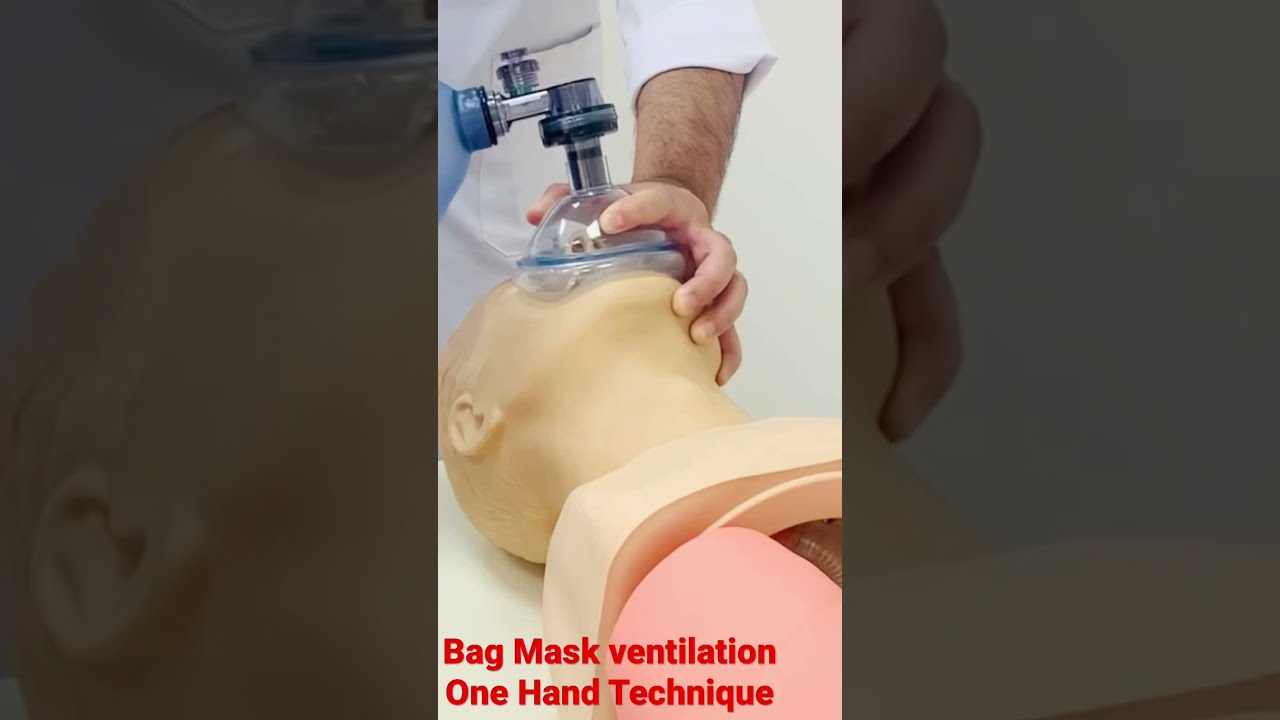
Effective respiratory tract administration encompasses numerous methods including bag-mask ventilation, endotracheal intubation, and preserving patency in instances where a tracheostomy has actually been performed.
Integrating Tracheostomy & Air flow Training
Combining tracheostomy treatment with ventilation training equips healthcare workers with comprehensive skill sets necessary for managing intricate situations effectively.
Frequently Asked Concerns (FAQs)
1. What is ventilator support?
Ventilator assistance describes mechanical assistance offered by makers made to help clients having problem breathing independently.
2. Why are ventilation training programs important?
Ventilation training programs are vital because they prepare health care professionals with the expertise essential to operate air flow devices securely and successfully manage clients' respiratory system needs.

3. Exactly how does one execute correct tracheostomy care?
Proper tracheostomy treatment includes routine cleansing around the stoma site, altering the inner cannula as required, keeping track of for indicators of infection or clog, and ensuring that emergency situation equipment is easily available.
4. What ought to I include in my respiratory tract monitoring toolkit?
An efficient respiratory tract management toolkit need to include suction gadgets, bag-mask apparatuses, different sizes of endotracheal tubes, laryngoscope blades, emergency situation medications, and adequate PPE (Individual Safety Tools).
5. Can non-medical workers be learnt ventilator management?
While it's excellent for skilled medical personnel to manage ventilators as a result of their intricacy, basic training can be supplied to non-medical team that function along with doctor during emergency situations or severe situations.
6. How typically should ventilated people be assessed?
Ventilated people need to be evaluated at the very least every hour initially; however, regularity might enhance based upon their security or underlying medical conditions.
Conclusion
Navigating with the intricacies of tracheostomy treatment and ventilator management can be discouraging yet rewarding for medical care employees devoted to enhancing patient results. By obtaining necessary abilities via structured programs-- such as basic ventilator training courses-- medical care professionals can ensure they are equipped not only with technological know-how but additionally with self-confidence when confronted with essential circumstances entailing respiratory system distress.
Through constant education and learning-- like NDIS ventilation training courses-- health care workers ventilation training can strengthen their knowledge better in areas demanding advanced respiratory tract monitoring strategies associated with both trachestomies and mechanical air flow systems. Ultimately, this guarantees that individual safety continues to be paramount while boosting their general health throughout recovery procedures from extreme breathing ailments.